The Water Log
Each day, guests and crew record the water level from the river-commission station, turbidity measured with a Secchi disc, and the birds seen. Guests see the water change from river to river — and take the logbook home.
The vessel
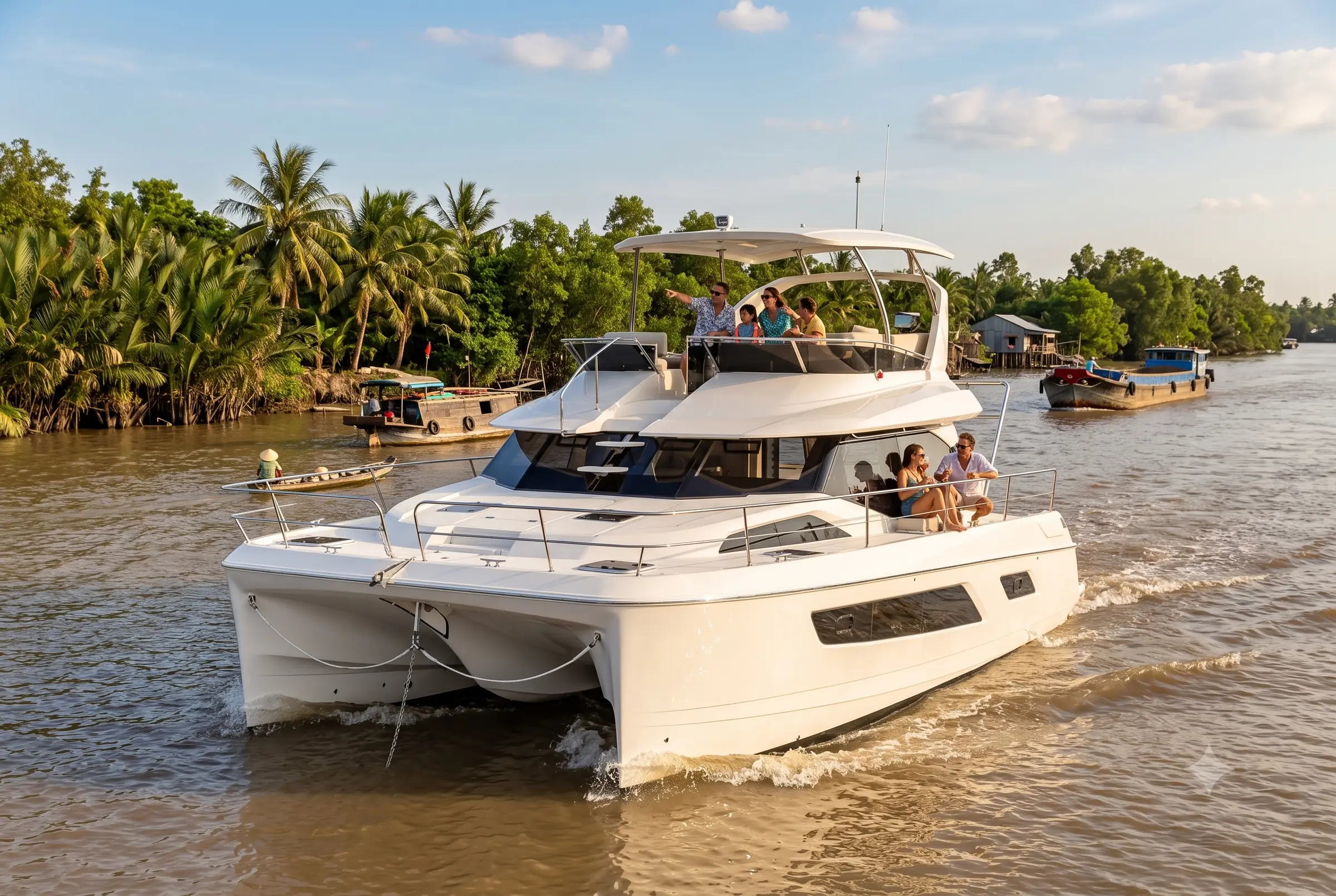
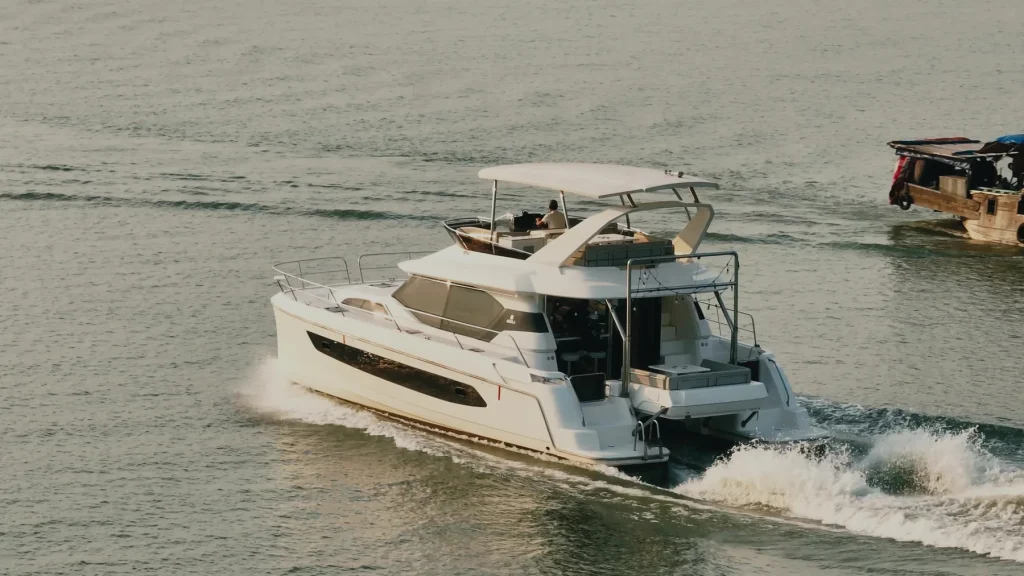
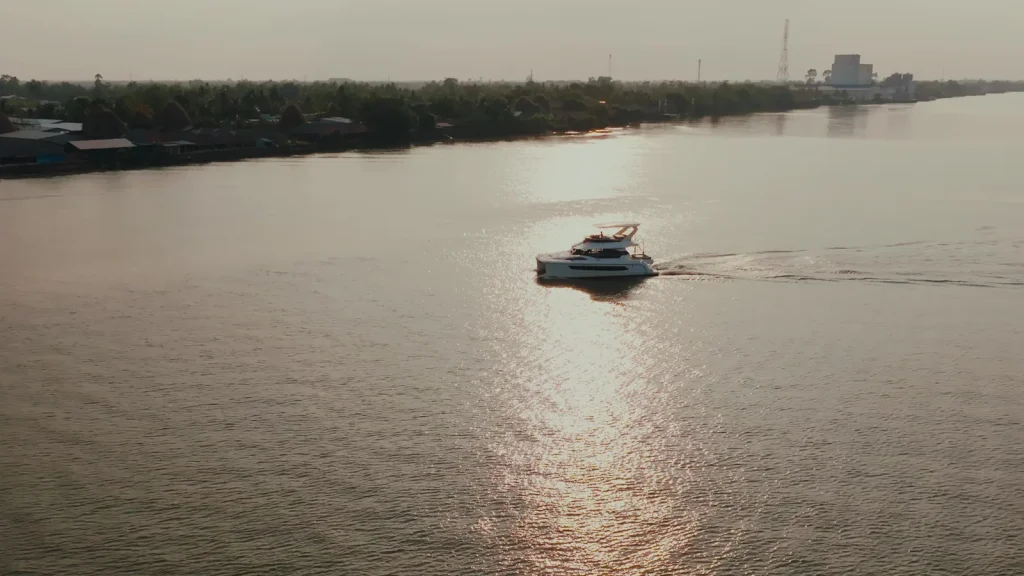
A 13.44-metre power catamaran with three cabins and room for six guests: small enough to follow the river into canals, raft villages and brick-kiln country.
The vessel
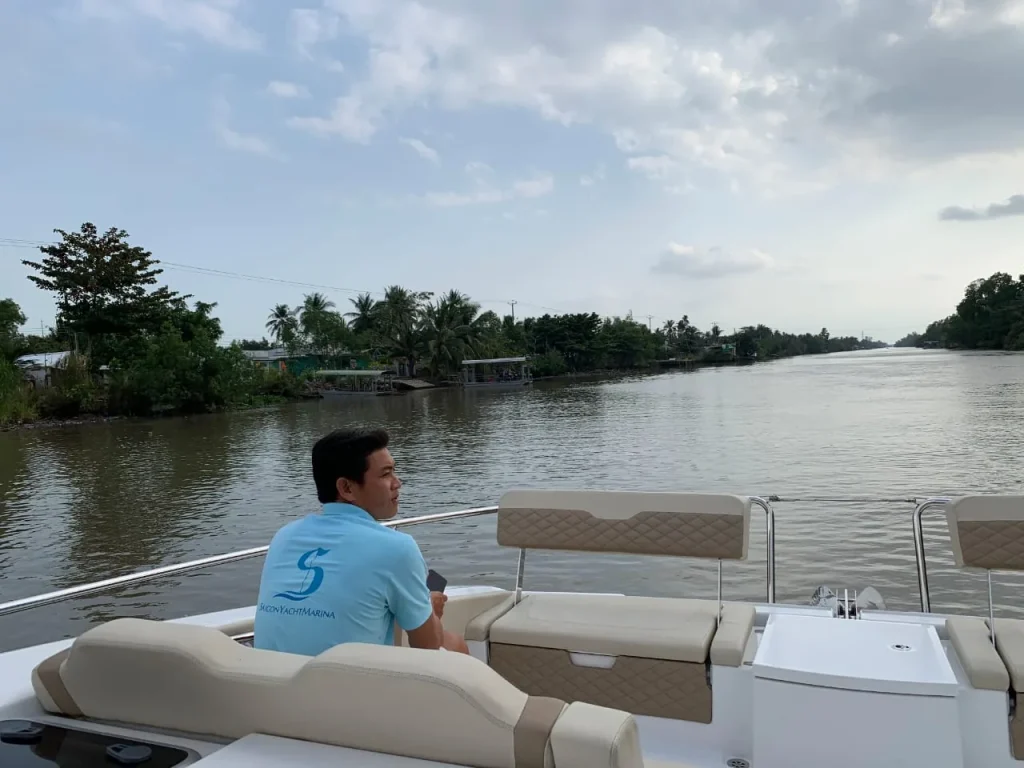
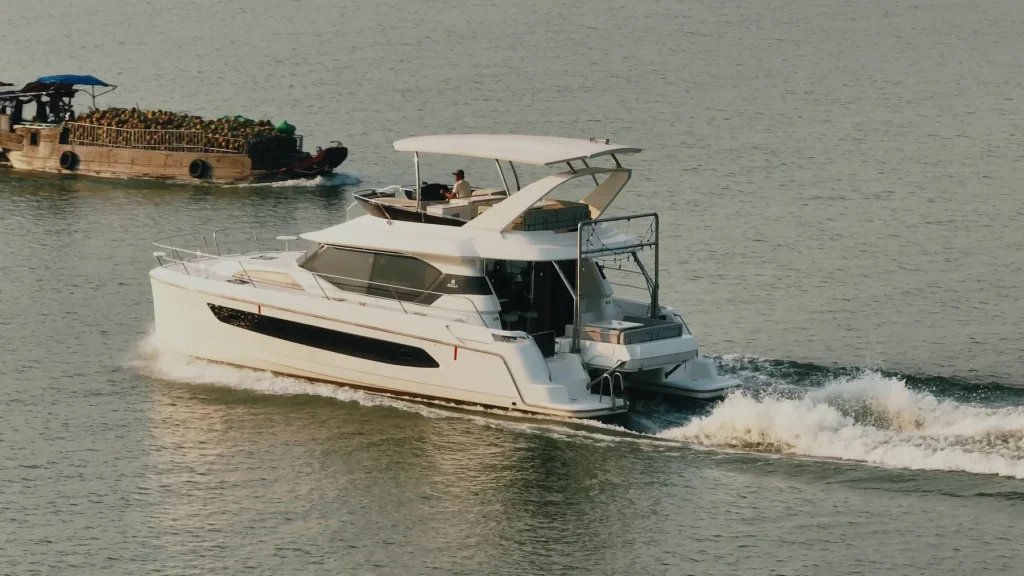
The Aquila 44 is a power catamaran: wide, stable and shallow-drafted, with a flybridge above and a saloon that opens to the cockpit. She is the smallest vessel on the Saigon – Tonle Sap route, and that is deliberate.
With only six guests, there is no queue at the rail and no crowd on the pier. The yacht slips into the Thầy Cai canal among the kilns, ties up beside a raft village at Châu Đốc and anchors on the lake in front of Kampong Luong.
She sails by day only. Every evening she anchors, and guests choose between a guided walk ashore or a quiet evening on deck.
Accommodation
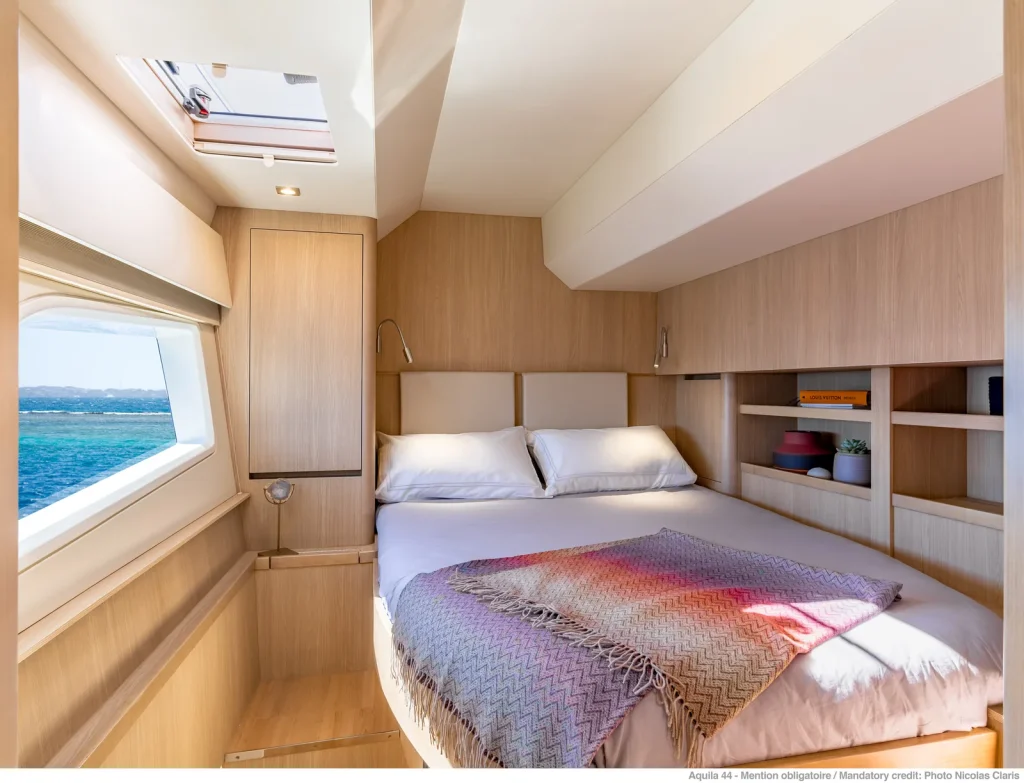
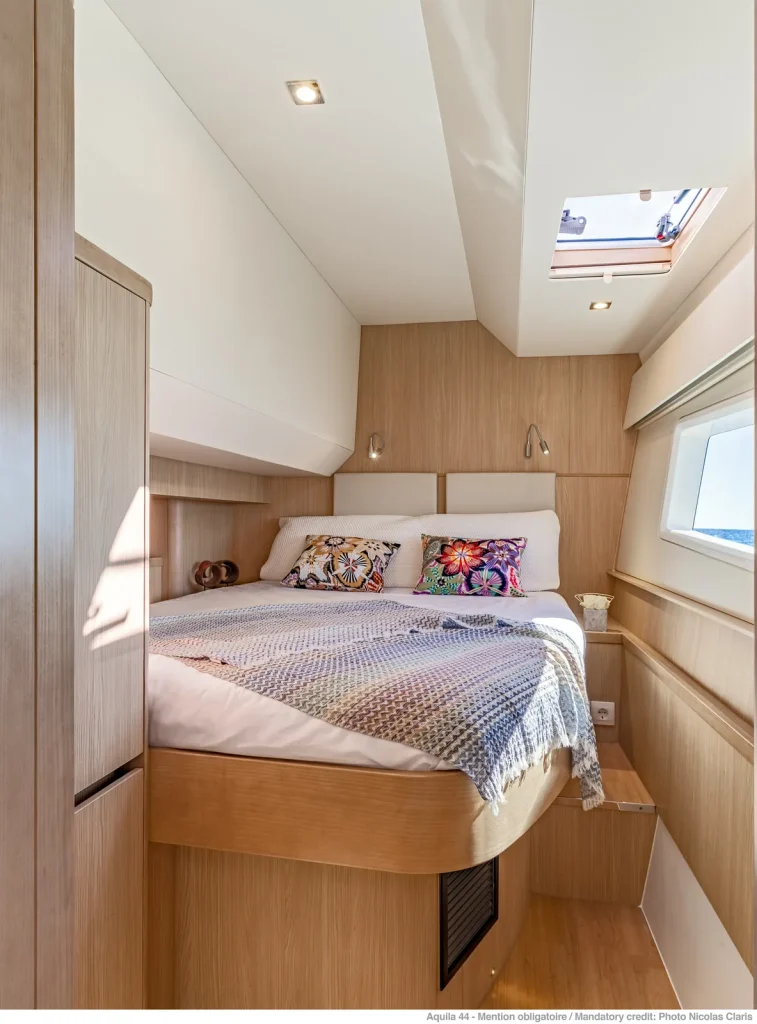
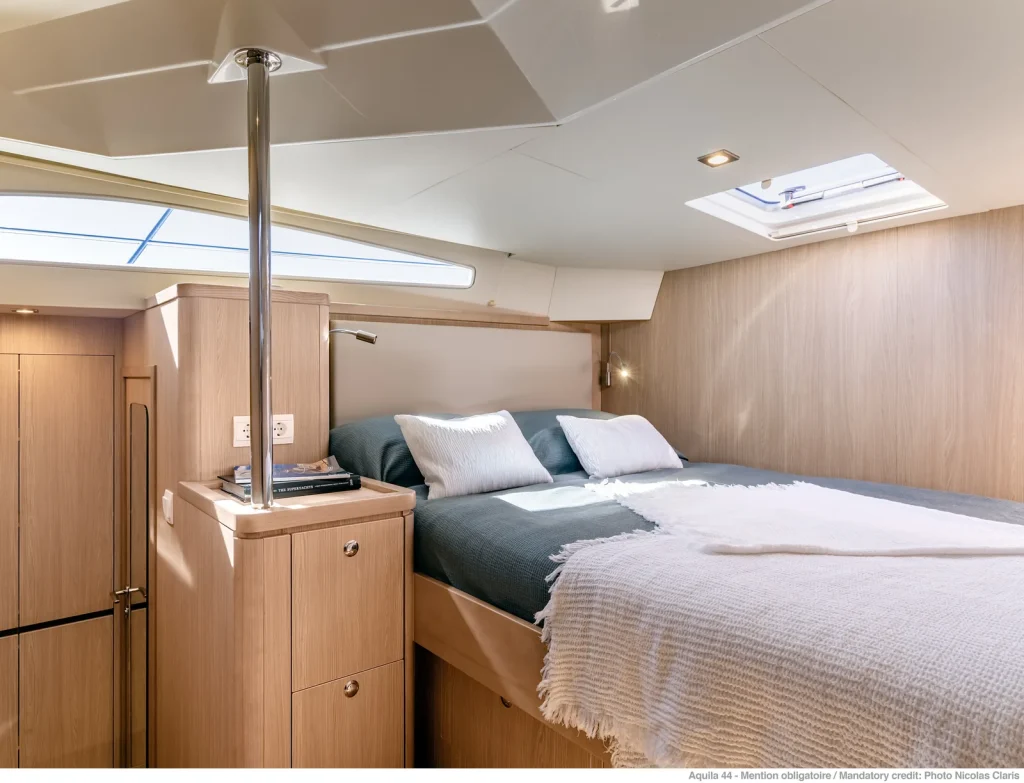
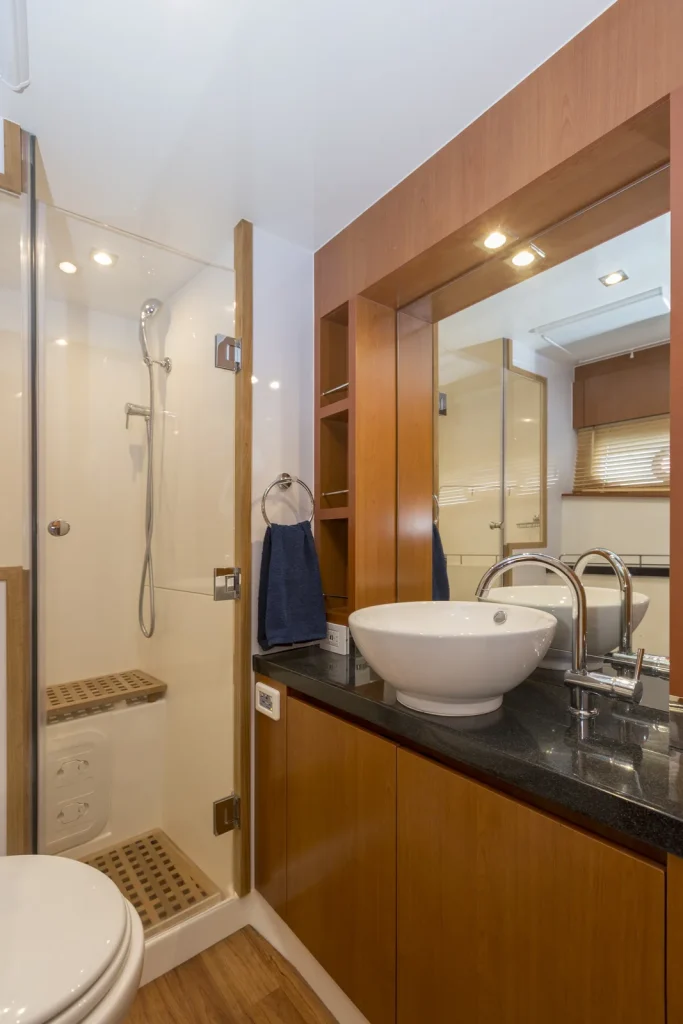
Each cabin is sold separately. Two guests share a cabin, three cabins make a full yacht — and a group that books all three has the voyage to themselves.
Spaces

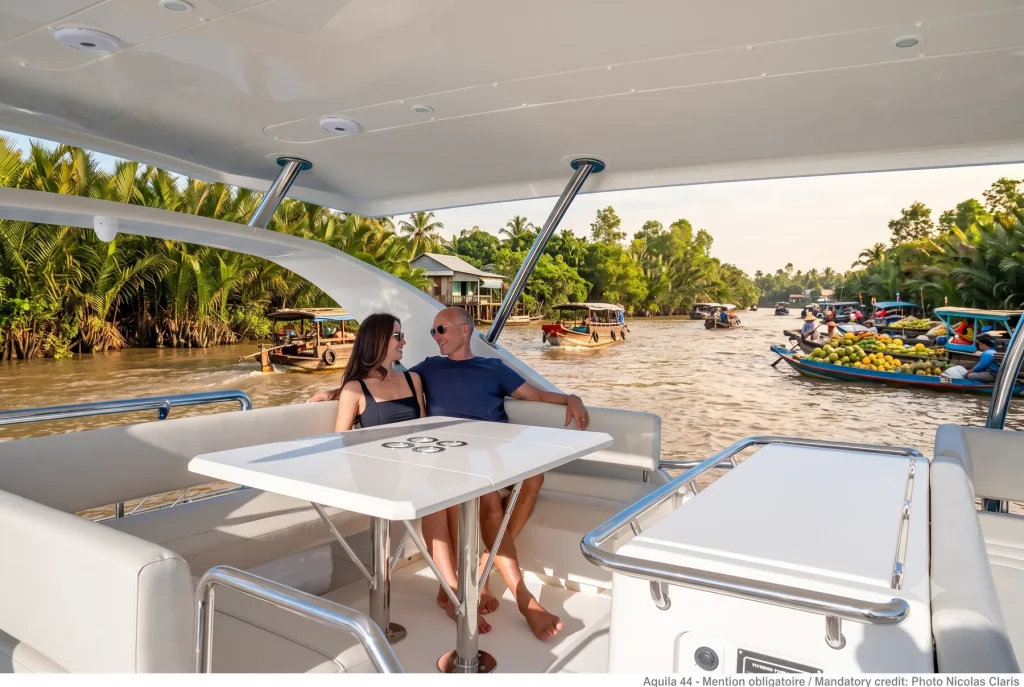
The best seats on the river: a shaded upper deck where guests watch barges, canals and villages pass at eye level.

A light-filled saloon with panoramic windows, a dining table and an open galley bar where meals are prepared as the river goes by.

The stern opens to the water: a place for the sounding line, the Secchi disc and the first coffee of the day.
Life on board
Life aboard follows the river's pace: observe, record, and let the people who know the place tell it.

There is no animation team and no timetable of games. The captain reads the water; the guide holds the thread of the story; weavers, potters and kiln owners speak for their own craft.
Guests who like silence always have a quiet deck. Storytelling on deck is an invitation, never an obligation.
The captain checks water, wind and visibility; on lake days he decides at 04:30.
One highlight on the way: a canal, a bridge, a reach of the river. A short story from the guide, then silence.
Lunch is served as the yacht moves. Water Log entries: level, turbidity, birds seen.
Option A with a guide, or option B: free time and rest aboard. Never more than two choices.
Each night the guide reads tomorrow's schedule and every cabin chooses A or B. Dinner aboard.
Three daily practices
Repeated every voyage — six strangers on a small yacht always have something in common to do.

Each day, guests and crew record the water level from the river-commission station, turbidity measured with a Secchi disc, and the birds seen. Guests see the water change from river to river — and take the logbook home.

At Vàm Nao river the captain switches off the engines for ten minutes and lowers a sounding line; the yacht drifts the way the river chooses. On the lake, guests measure depth themselves with the Calypso Pole.

Each afternoon the captain draws the stretch of river travelled. The hand-dug canals are traced in red. On the last day, guests sign the chart of their own voyage.
One evening, artists from the Mỹ Tho river islands perform on deck. Dinner, then silence and the river.
The evening ritual: tomorrow's schedule read aloud, a bridging sentence to the next day, questions answered.
An optional midday ritual aboard or ashore. Entirely at the guest's discretion.
Cuisine
Vietnamese dishes in the delta and Cambodian dishes beyond the border, cooked from what the river towns grow, catch and sell.
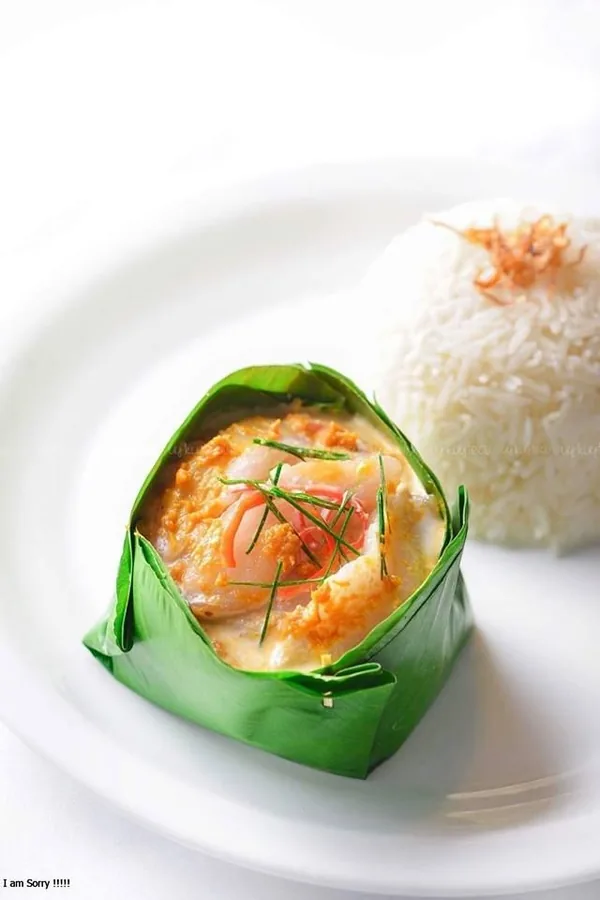
Steamed Khmer fish curry in banana leaf
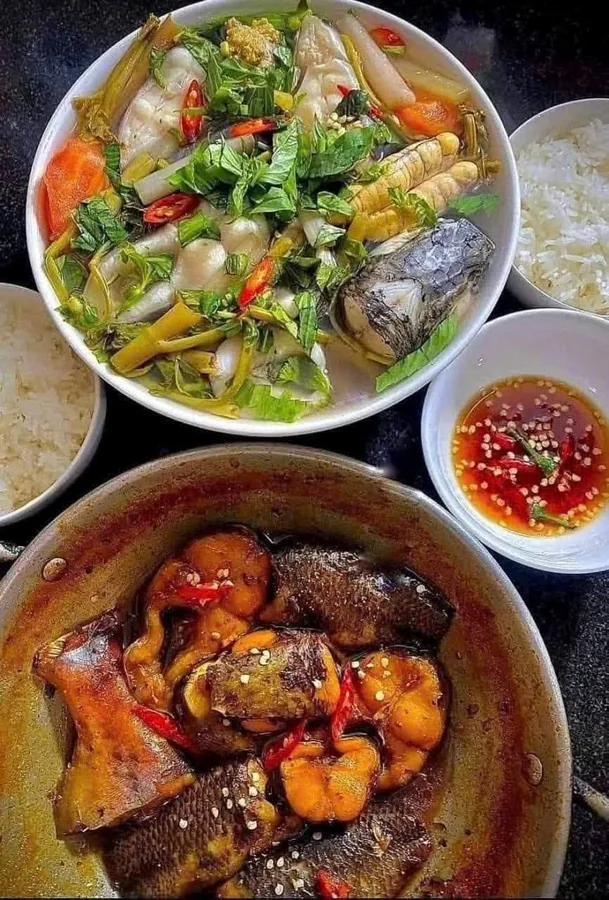
Southern Vietnamese home cooking
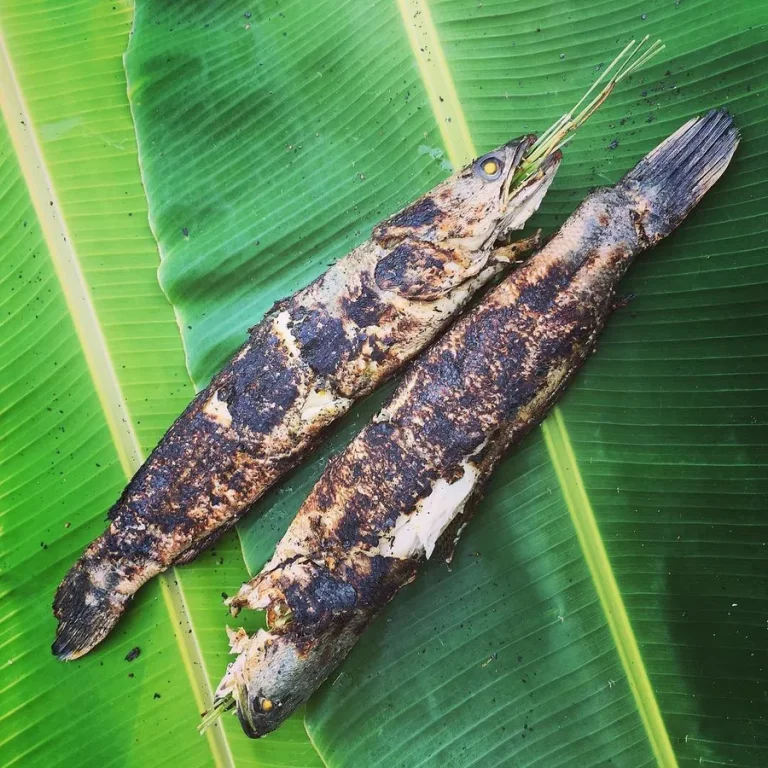
Cooked in the embers, served on banana leaf
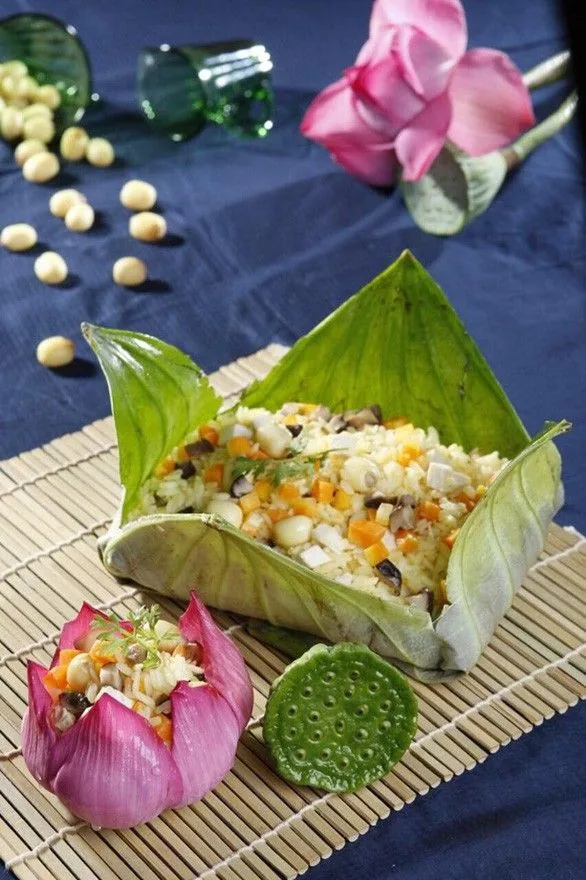
Rice wrapped in lotus leaf with lotus seeds
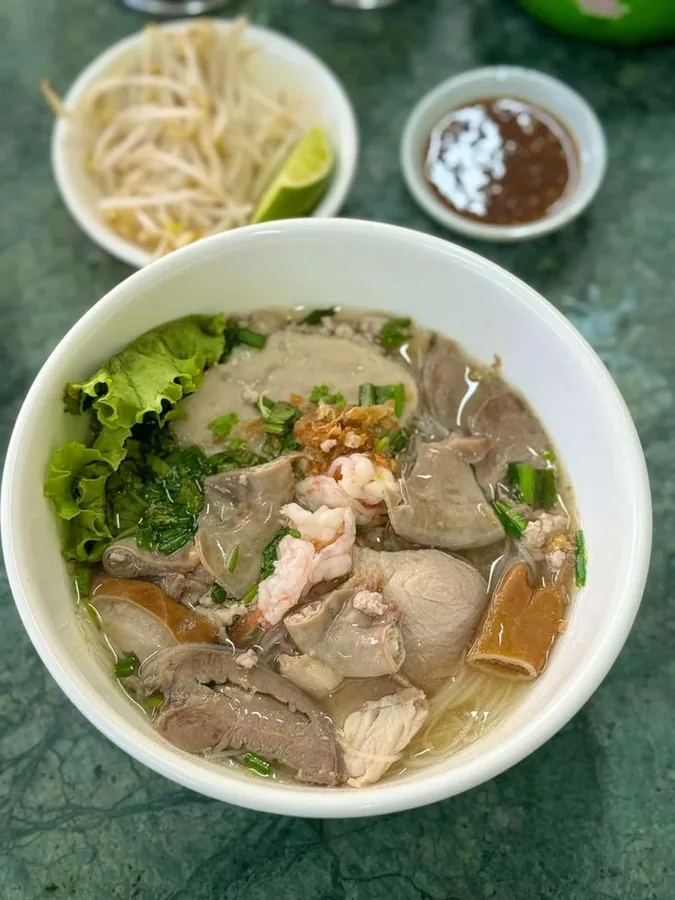
Phnom Penh noodle soup
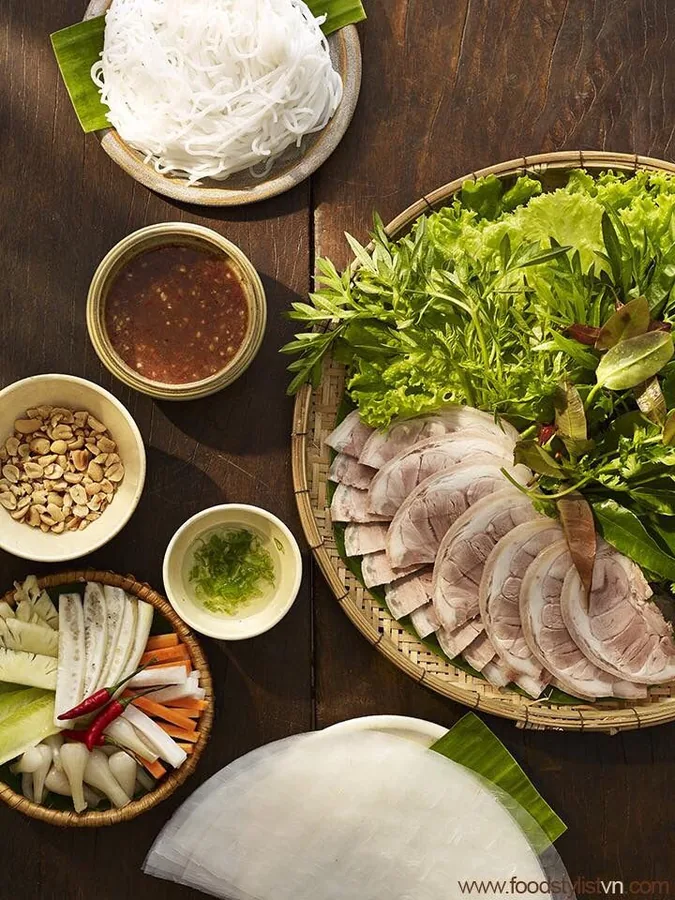
Rice-paper rolls with herbs and dipping sauce
Specification
Numbers only where they have been verified. Anything still being measured is stated as such.
Film
Yacht photography: © Nicolas Claris — Aquila Boats. Cabin photography: © Jim Raycroft.